Slow Dining Traditions of the Basque Country
In northern Spain, food is neither fast nor superficial—it is a sacred daily rhythm built on centuries of maritime history and mountain heritage.
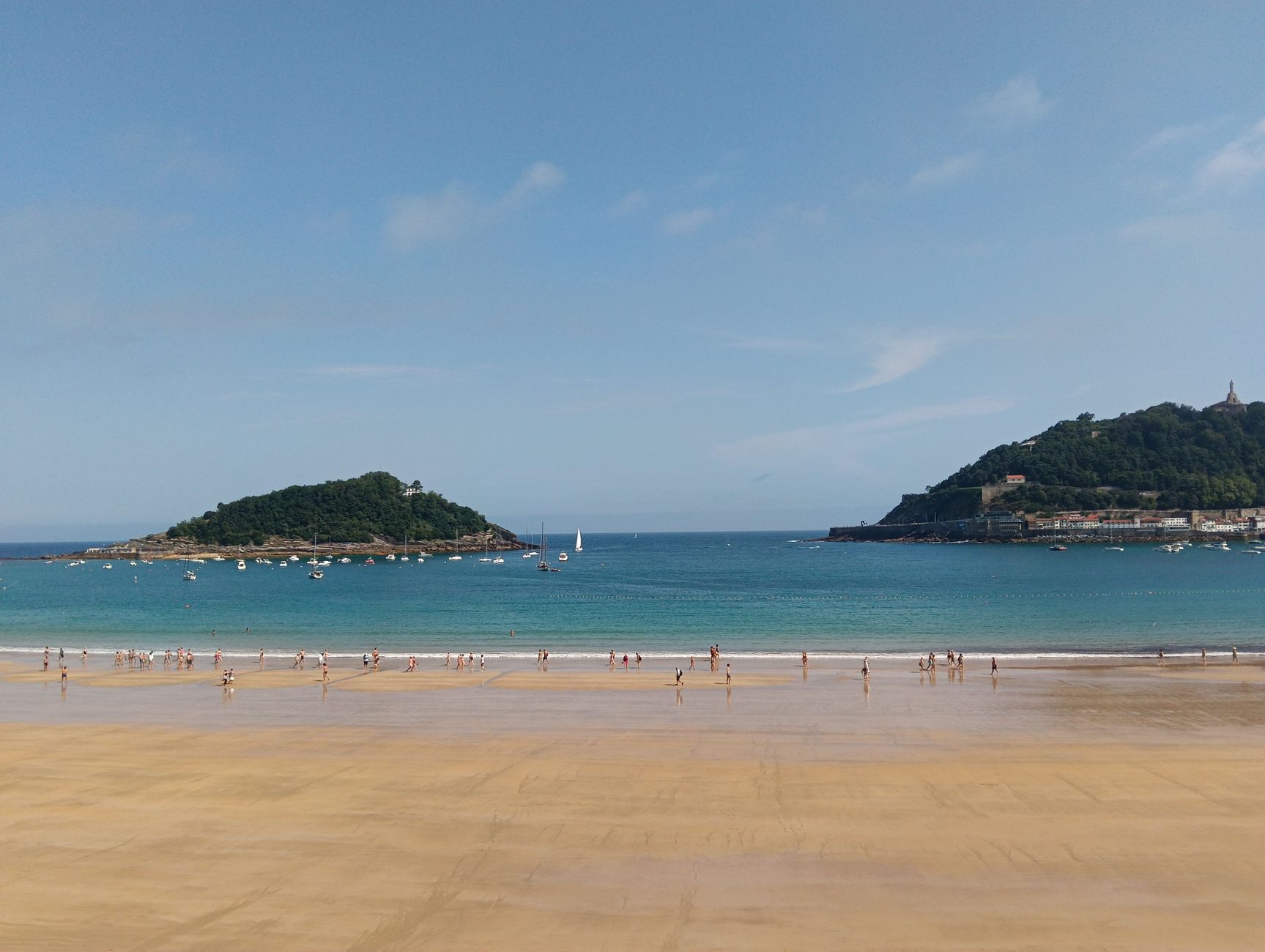
Table of Contents
The Culture of the Pintxo Bar
Stepping into the narrow cobblestone alleys of San Sebastián’s Parte Vieja, one is immediately struck by the artful stacks of bite-sized delicacies lining the wooden countertops. Unlike standard tapas, the Basque pintxo is a miniature culinary sculpture—often skewered with a toothpick onto a round of crusty baguette.
Local etiquette dictates taking just one or two pintxos alongside a small glass of crisp txakoli wine before strolling to the next establishment. It is a social dance of conversation, community, and fresh seasonal seafood.
"Food here isn't prepared to impress tourists; it's cooked with the quiet pride of families who have farmed and fished these hills for generations."
Sagardotgi: The Cider House Ritual
Venturing inland toward Astigarraga during late winter brings travelers to the traditional cider houses (sagardotgiak). Nestled inside cavernous wooden barrel rooms, guests gather at long communal tables for a fixed feast: salt cod omelets, grilled grass-fed ribeye steak, and sheep’s milk cheese served with quince paste.
When the host shouts "Txotx!", guests line up with empty glasses as fresh unfiltered apple cider shoots directly from massive oak casks.
Coastal Sustainability & Modern Craft
While San Sebastián boasts one of the highest concentrations of Michelin stars per capita in the world, the true magic lies in the unpretentious fishing ports of Getaria and Hondarribia. Here, whole turbot is grilled over open charcoal pits on the harbor docks using simple sea salt and olive oil.
Curious to Experience Basque Gastronomy?
Let our concierge team craft a private culinary itinerary tailored to your dietary preferences and travel dates.
Request Custom Itinerary